Septic System Repair Help in Santa Ana
Request an estimate for your septic problem
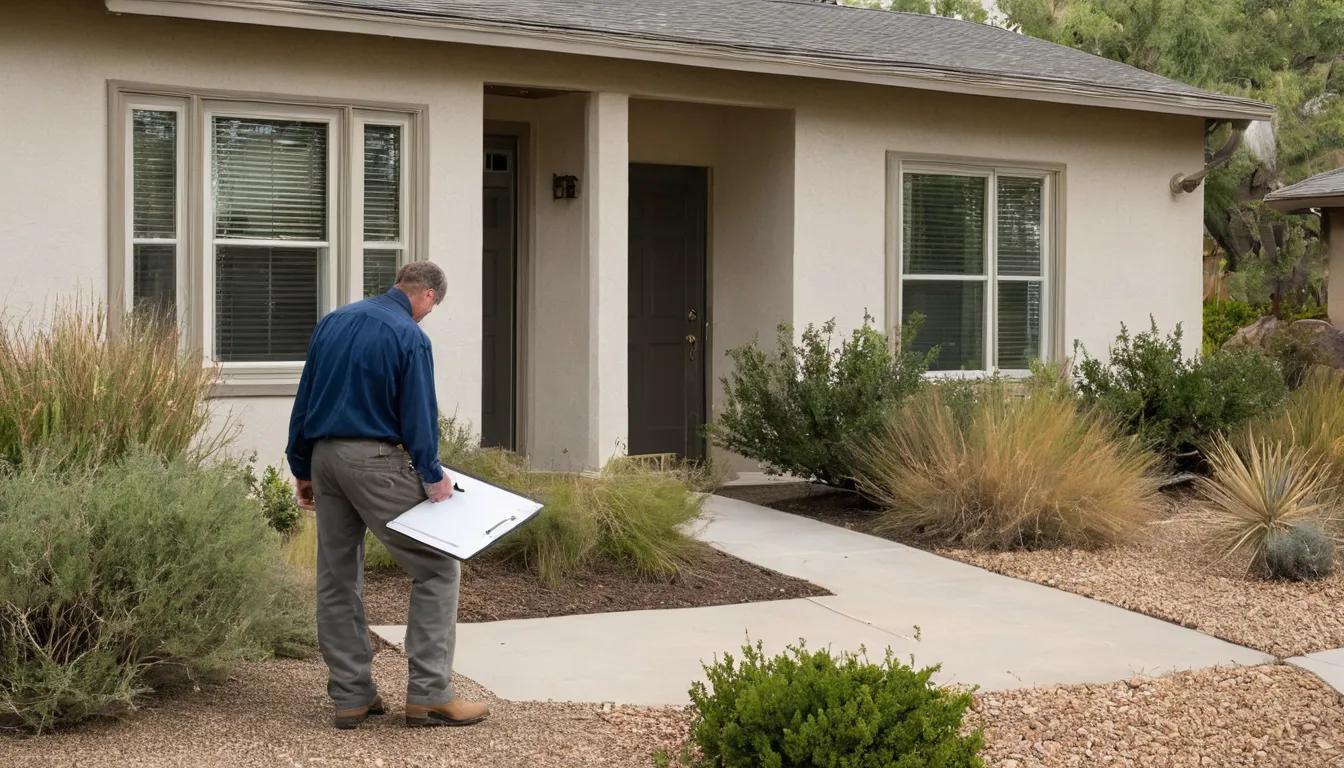
A wet patch or backed-up fixture can make a homeowner assume the whole septic system has failed. Those signs deserve attention, but they do not identify the cause. A damaged baffle, faulty pump, blocked outlet, or struggling drainfield can create similar symptoms. Innoservsolutions Septic connects homeowners in Santa Ana with independent local providers who assess septic problems and explain possible repairs. The provider performs the work and sets the price.
Your useful first step is gathering clues without opening lids or digging. Note when trouble started, which fixtures are affected, and whether recent rain changed anything. Older homes may have buried additions or repairs missing from the records. Share what you know, ask what remains uncertain, and request a written estimate before choosing work. A careful assessment helps separate a repairable part from a wider system problem.
Sewage surfacing? Start by limiting contact
If wastewater is backing up indoors or pooling outside, stop using affected fixtures and reduce household water use. Keep children and pets away from wet ground. Do not open a tank lid to investigate. Request a provider assessment and describe the visible problem so the provider can discuss the next step.
A symptom is not a diagnosis
One slow sink does not prove the septic system needs repair. Several slow fixtures, recurring backups, or damp ground near the drainfield may point toward a wider issue. Note which signs occur together. A local provider can assess whether the trouble involves a component, wastewater flow, or soil absorption before proposing work.
Record what you can see safely
From solid, dry ground, photograph the affected area and note odors, alarm sounds, and changes in drainage. Write down whether trouble follows laundry, showers, or rain. Avoid repeated flushing to test the system. These observations help a provider understand the pattern without adding more wastewater or disturbing buried parts.
Leave lids and electrical parts alone
A septic tank is not a safe place for homeowner inspection. Damaged covers can collapse, and gases inside can be dangerous. Leave entry, lid removal, electrical testing, and digging to providers with suitable equipment and skills. If a cover looks damaged, keep people away and describe its condition when requesting help.
An alarm needs checking, not guessing
A pump alarm can signal a high liquid level, but it does not explain why the level rose. Pump failure, float trouble, power problems, or restricted flow may need different repairs. Reduce water use and report the alarm. Do not handle wiring, bypass controls, or keep resetting a breaker that trips.
Pumping and repair solve different problems
Septic tank pumping removes accumulated material; it does not mend a cracked part or restore damaged soil. Likewise, asking for emergency septic cleaning may describe your concern without identifying the needed work. Tell the provider what is happening first. Ask whether removing tank contents is part of the assessment or proposed repair.
Older houses bring missing chapters
An older bungalow or tract home may have a septic layout that differs from its original drawing. Additions, patched connections, and replaced components can change access and wastewater flow. Gather permits, inspection notes, and past repair invoices if available. For homes on slabs or raised foundations, explain any changes to rooms with plumbing.
Ask what the assessment includes
Providers in our network may use different inspection methods based on system type and symptoms. Ask which components they plan to check, whether access must be uncovered, and what the assessment costs. Useful findings explain both the suspected cause and the evidence behind it, including any areas the provider could not inspect.
Small components can cause broad symptoms
A damaged baffle, blocked filter, broken fitting, or faulty float may affect more than one fixture. That does not make every repair small or simple. The provider needs to check surrounding conditions before recommending a component replacement. Ask whether the proposed work addresses the cause or only restores flow for a limited period.
Wet soil needs a closer look
A soggy drainfield does not automatically mean replacement. Excess water use, uneven distribution, damaged lines, and poor soil absorption can produce overlapping signs. Drainfield repair depends on what has failed and whether the soil can accept wastewater. Avoid driving over the area or digging channels to carry suspected wastewater elsewhere.
Weather can change the clues
Winter rain events can leave ground saturated, while a long dry season may make new damp spots more noticeable. Neither condition proves the system is sound or damaged. Tell the provider how the symptoms changed with the weather. Keep roof runoff directed away where practical, without altering septic grading or sending water toward neighboring property.
Age alone does not settle replacement
An older system may have a repairable fault. A newer one may have a problem that a single part cannot fix. Ask the provider to compare repair and replacement based on condition, capacity, soil findings, and applicable requirements. A useful explanation also identifies remaining weak points and the limits of the proposed repair.
Put the proposed scope in writing
Before choosing work, request a written estimate covering diagnosis, parts, labor, excavation, and surface restoration. Ask who handles any required permits and inspections. Clarify what could change the price once buried components are exposed. For uncertain work, agree on how the provider will explain additional findings and seek approval before expanding the scope.
Protect the repaired area afterward
Follow the provider's instructions about water use and access after the repair. Spread laundry loads through the week, address leaking fixtures, and keep vehicles off the tank and drainfield. Avoid additives sold as a substitute for maintenance. If the property also needs water well service, tell the provider so separate equipment and access needs are understood.
Send a request with useful details
Share your symptoms, system history, access concerns, and any alarm information through the request form. Innoservsolutions Septic uses your request to help connect you with an independent provider serving the Santa Ana area. Confirm availability, assessment charges, and repair options with that provider. Request a callback to check provider availability if you prefer discussing the request by phone.
What's Included
Component Assessment
A provider checks accessible septic components and explains which findings support the suggested repair for your property.
Pump Control Checks
The provider can assess pump and float problems when the system uses them.
Drainfield Condition And Options
Discuss soil absorption, distribution problems, and whether targeted drainfield work is suitable.
Written Repair Scope
Ask for listed repairs, access work, exclusions, and approval steps for changes.
What Might Your Septic Repair Cost?
These typical U.S. planning ranges vary by system, damage, access, and local requirements. Request a written quote after assessment; overlapping tasks and added excavation can change the total for your property.
| Repair item | Typical U.S. range | What affects the price |
|---|---|---|
| Septic baffle repair or replacement | $300 – $1,000 | Access, material, and damage around the connection. |
| Septic effluent pump replacement | $800 – $2,500 | Pump type, wiring condition, and installation needs. |
| Float switch replacement | $200 – $600 | Access and whether related controls need work. |
| Distribution box replacement | $500 – $1,500 | Excavation, depth, and connecting pipe condition. |
| Localized drainfield line repair | $1,000 – $5,000 | Extent of damage and suitability for a targeted repair. |
| Drainfield replacement | $5,000 – $20,000 | Soil, design, permits, and available space; complex projects may exceed this range. |
How It Works
Describe The Symptoms
Share affected fixtures, outdoor wet spots, alarm details, and when you first noticed changes around your home.
Discuss Assessment
Ask the provider about availability, inspection scope, access needs, and any assessment charges.
Review The Written Findings
Compare the proposed repair with the evidence, exclusions, and possible added work.
Choose Your Next Step
Approve an agreed scope directly with the provider and keep the repair records.
Why Call Innoservsolutions Septic
Preparation With Clear Limits
Understand which details you can gather safely and which checks belong with a local provider.
Older Property
Make room in your request for past additions, uncertain layouts, and repairs that may affect access.
Honest Connections
Innoservsolutions Septic provides referrals; the independent provider assesses the system and performs agreed work.
Informed Choices
Ask for findings and written pricing before deciding how to move forward.
Other Services

Need septic system repair in Santa Ana?
Describe the problem, your location, and what has changed. Request an estimate through Innoservsolutions Septic, or Request a callback to check provider availability.
No obligationSeptic System Repair FAQ
Can I repair my septic system myself?
You can record symptoms, reduce water use, and gather system records. Leave tank access, excavation, electrical checks, and component repairs to a provider. Hidden hazards and uncertain layouts can make a seemingly simple fix unsafe.
Does a wet drainfield mean I need a new septic system?
Not necessarily. Wet ground may involve excess flow, damaged distribution parts, or poor absorption. A provider needs to assess the cause before explaining whether repair or replacement fits the findings.
Can an older septic system be repaired instead of replaced?
Sometimes. Age is one clue, but condition, capacity, soil performance, and applicable requirements matter too. Ask the provider which parts remain usable and what limitations would remain after the proposed repair is completed.
Tell us what happened
Describe the problem, your location, and what has changed. Request an estimate through Innoservsolutions Septic, or Request a callback to check provider availability.
No obligation